Oscar Piastri warns 2026 F1 starts could be “a Recipe for disaster”
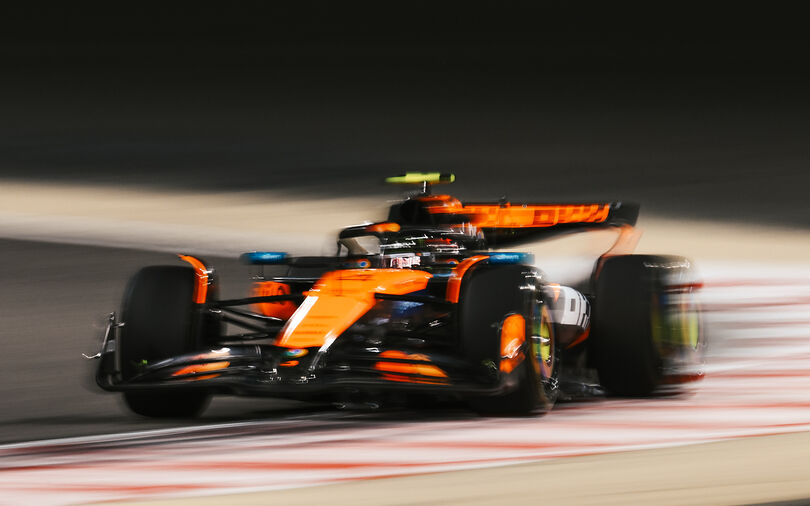
Oscar Piastri has issued a stark warning about the safety of Formula 1’s 2026‑spec cars, arguing that the combination of reduced downforce, complex hybrid systems, and new starting procedures could make the opening moments of races dangerously unpredictable.
After early running with the new‑generation machinery, the McLaren driver said the sport must urgently address several issues before the season begins.
Piastri revealed that even practice starts have become complicated under the new regulations. He explained that he was instructed not to launch off the lights, but instead wait for the car ahead to move before performing his own start.
“I got told to wait until whoever was in front of me had gone and then do my own launch, and not do it to the lights. The Australian said the situation immediately highlighted how chaotic real race starts could become: "It sounds like a recipe for disaster.”
He added that the process of getting the car off the line is now far more complex than in previous seasons.
“Starts need to be addressed, because, probably as we've all seen, it's a pretty complicated process now to have a safe start, let alone a competitive one.”
The 2026 regulations significantly reduce aerodynamic downforce, especially at low speeds — precisely the conditions present at the start of a race. Piastri warned that a full grid of cars with less grip could be a dangerous combination.
“I think a pack of 22 cars with a couple hundred points less downforce sounds like a recipe for disaster to me.”
He added that drivers are still unsure about what they need from the car to execute a safe launch: "Everyone's going to need different things for the start. And to be completely honest with you, I'm not sure any of us know exactly what we need yet.”
Overtaking Without DRS Adds ComplexityPiastri also addressed how the removal of DRS has changed overtaking dynamics. Instead of a simple drag‑reduction advantage, drivers must now manage energy harvesting and deployment to create passing opportunities.
“DRS was obviously just a pure advantage used to gain, whereas now, with the energy boost, you've obviously got to harvest that extra energy somehow and then deploy it.”
This shift adds another layer of complexity to wheel‑to‑wheel racing, especially in the opening laps when energy systems are under the most strain.
The McLaren driver emphasised that the 2026 cars require drivers to adapt to behaviours they have never encountered before.
“There's a lot of things that we've never had to do before, and they are just challenging by nature, because some of them are not very instinctive.”
Despite the challenges, he noted that the cars still retain the fundamental feel of Formula 1 machinery: “The cars do still feel like an F1 car should in terms of grip, though the crazy amount of power coming out of corners is pretty tough to manage.”