F1 TECH: How has Ferrari changes its front suspension for 2026?
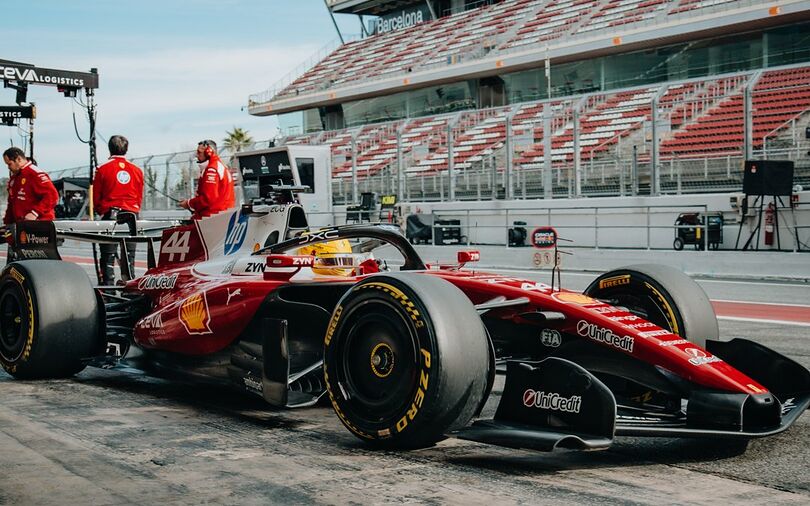

As Formula 1 prepares for the sweeping regulatory reset of 2026, Ferrari has taken an assertive step in rethinking one of the most defining elements of its chassis philosophy: the front suspension.
While the return to a pushrod layout has already sparked discussion among fans and analysts, the changes run far deeper than a simple switch in actuation. The SF‑26 represents a comprehensive re‑engineering of geometry, packaging, and aerodynamic intent.
A Return to Pushrod — But Not a Return to the PastFerrari’s 2025 F1 car, the SF‑25, featured a pullrod front suspension. For 2026, however, the Scuderia has reversed course. The SF‑26 adopts a pushrod configuration, aligning with a trend seen among several rivals who view the layout as offering better aerodynamic freedom under the new rules.
But the pushrod itself is only the headline as Ferrari has reimagined the entire suspension architecture around it.
One of the most striking changes is the dramatically lowered upper arm. Compared to the SF‑25, the SF‑26’s upper wishbone sits significantly lower, altering both the mechanical behavior and the aerodynamic wake around the front wheels.
Lowering the upper arm can have a variety of effects: reduce the blockage in front of the sidepod inlets, improve airflow management toward the floor’s leading edge or allow more precise control of tire wake, which becomes even more critical under the 2026 aero rules.
Another key modification is the relocation of the steering assembly. On the SF‑26, the steering components have been shifted rearward, a move that serves multiple purposes: cleaner airflow around the front suspension elements, improved packaging for the new pushrod layout and potential weight distribution benefits, depending on how Ferrari integrates the system within the chassis
This repositioning also suggests that Ferrari is prioritizing aerodynamic efficiency over the more traditional mechanical packaging constraints that shaped previous designs.